
South Atlantic Masonry Trends: What’s Shaping the Industry Today

Masonry has long been a cornerstone of construction in the Southeast. Today, the South Atlantic region is witnessing exciting shifts in how masonry projects are planned and executed. These changes reflect evolving materials, techniques, and client expectations. As someone deeply involved in this field, I want to share insights into the latest trends shaping masonry work here. Understanding these trends can help general contractors, developers, and construction firms make informed decisions and stay ahead.
Key South Atlantic Masonry Trends Driving Change
The South Atlantic masonry trends are influenced by several factors: climate considerations, sustainability goals, and technological advances. One major trend is the increased use of energy-efficient materials. Builders are opting for insulated masonry units that improve thermal performance. This reduces heating and cooling costs and aligns with stricter building codes.
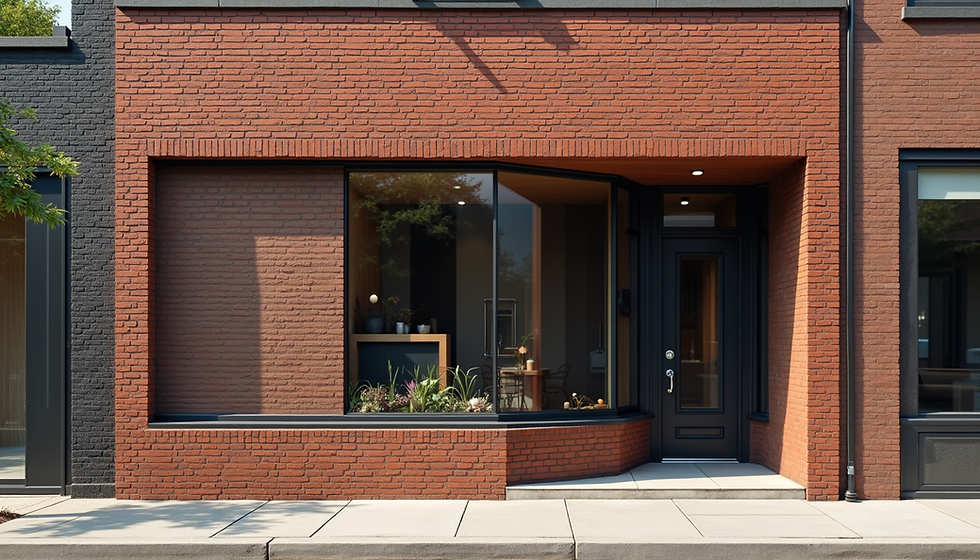
Another trend is the integration of design and function. Masonry is no longer just a structural element. It’s a design feature that adds character and durability. Architects and contractors collaborate closely to create facades that are both beautiful and resilient. This includes using varied brick patterns, colors, and textures to enhance curb appeal.
Additionally, there is a growing emphasis on speed and efficiency. Prefabricated masonry panels and modular components are becoming popular. These allow faster installation on site, reducing labor costs and project timelines. Contractors who adopt these methods can deliver projects on schedule without compromising quality.

What is the difference between brickwork and masonry?
Understanding the distinction between brickwork and masonry is essential for anyone involved in construction. Brickwork specifically refers to the use of bricks laid in mortar to create walls, pavements, or other structures. It is a subset of masonry.
Masonry, on the other hand, is a broader term. It includes brickwork but also involves stone, concrete blocks, and other materials. Masonry encompasses all techniques of building with individual units bound together by mortar. This means that while all brickwork is masonry, not all masonry is brickwork.
This difference matters when selecting materials and methods for a project. For example, stone masonry might be chosen for its natural aesthetic and strength, while brickwork could be preferred for its uniformity and ease of installation. Knowing these distinctions helps in planning and budgeting.
Sustainable Practices in Masonry Construction
Sustainability is no longer optional. It’s a priority in every construction project. The South Atlantic region is adopting green building practices that reduce environmental impact. Masonry plays a key role here.
One sustainable practice is using recycled materials. Some masonry units now incorporate recycled content, reducing waste and conserving resources. Additionally, sourcing local materials cuts down on transportation emissions.
Water management is another focus. Masonry walls can be designed to improve drainage and reduce runoff. This helps prevent erosion and protects surrounding landscapes.
Thermal mass is a natural advantage of masonry. It absorbs heat during the day and releases it at night, stabilizing indoor temperatures. This reduces reliance on HVAC systems and lowers energy consumption.
Contractors should consider these sustainable options early in the design phase. Doing so ensures compliance with green building standards and can qualify projects for incentives.
Technology Enhancing Masonry Project Management
Technology is transforming how masonry projects are managed. Digital tools improve accuracy, communication, and efficiency. For example, Building Information Modeling (BIM) allows detailed 3D visualization of masonry elements before construction begins. This helps identify potential issues and coordinate with other trades.
Drones are increasingly used for site surveys and progress monitoring. They provide real-time data and high-resolution images, enabling better decision-making.
Project management software streamlines scheduling, budgeting, and resource allocation. It keeps all stakeholders informed and aligned.
Adopting these technologies reduces errors and rework. It also enhances transparency and accountability, which are critical for maintaining trust and meeting deadlines.
Practical Recommendations for Successful Masonry Projects
Based on these trends, here are some actionable recommendations for contractors and developers:
Prioritize material selection - Choose masonry units that meet energy efficiency and durability requirements. Consider local availability to reduce costs.
Collaborate early with designers - Engage architects and engineers to integrate masonry as both a structural and aesthetic element.
Incorporate sustainable practices - Use recycled materials and design for water management and thermal performance.
Leverage technology - Utilize BIM, drones, and project management software to improve planning and execution.
Plan for prefabrication - Explore modular masonry components to speed up installation and reduce labor demands.
Train your workforce - Ensure masons and laborers are skilled in the latest techniques and safety standards.
By following these steps, projects can achieve higher quality, better efficiency, and stronger client satisfaction.
Looking Ahead: The Future of Masonry in the South Atlantic
The future of masonry in the South Atlantic is promising. As demand grows for sustainable, durable, and visually appealing buildings, masonry will remain a preferred choice. Innovations in materials and methods will continue to enhance performance and reduce costs.
Contractors who stay informed about these trends and adapt accordingly will lead the market. Building strong partnerships and delivering reliable work on time and within budget will be key to success.
For those interested in exploring opportunities or learning more about current projects, I recommend checking out south atlantic masonry projects. This resource offers valuable insights and examples of high-quality masonry work in the region.
Staying ahead means embracing change while maintaining the craftsmanship and integrity that define masonry. The South Atlantic region is ready for this next chapter, and I’m excited to be part of it.


Comments